Sensitive content
This site contains sensitive content that includes references to sexual violence.
For survivors and their loved ones, the effects of sexual violence in childhood can last a lifetime. Healing from this trauma is ongoing, and access to trauma-informed, age-appropriate, gender-responsive and integrated services–spanning health, mental health, social services, and justice sectors– is essential. It restores dignity, rebuilds trust, and helps children, adolescents, and adults reclaim their futures.
A strong national response allows victims and survivors to safely report abuse and receive coordinated care without stigma or retraumatization.
The Index measures whether governments have established the policies and programs that make healing possible. These include:
While the Index tracks whether laws and policies are in place, it does not capture the quality or reach of their implementation.


Share your experience, research, and success stories using the Index in your work!
www.bravemovement.org/campaigns/third-richest-nation
A world without childhood violence would be $7 trillion richer. This nation isn’t real. Its wealth could be. Brave Movement's survivor-led advocacy campaign at the G20 in 2025 pressured decision makers to invest in prevention, healing and justice to create stronger, happier nations.
www.bravemovement.org/g7
By evaluating each G7 nation’s progress on vital policy measures we're drawing global attention to the global, silent pandemic of sexual violence against children. This is a crisis that undermines the G7's commitment to building secure, prosperous, and equitable societies. Kids need bold leadership and decisive action now to be safe and thrive.
www.togetherforgirls.org/en/press/a-record-breaking-event-now-governments-must-deliver
We broke the GUINNESS WORLD RECORDS™ for the most countries represented at a childhood violence summit! With 120 governments attending, this first ever Global Ministerial Conference on Ending Violence Against Children was the largest organized event to address this issue on a global scale. Most importantly, as a result, we also broke the world’s record of inaction against childhood sexual violence.
 Albania
 Algeria
 Angola
 Argentina
 Australia
 Bangladesh
 Brazil
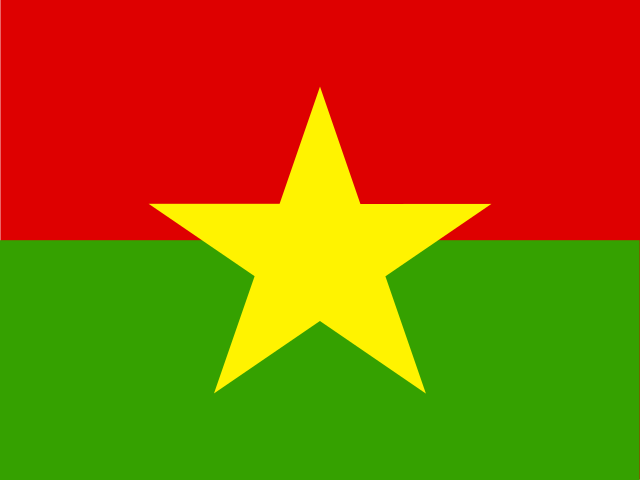 Burkina Faso
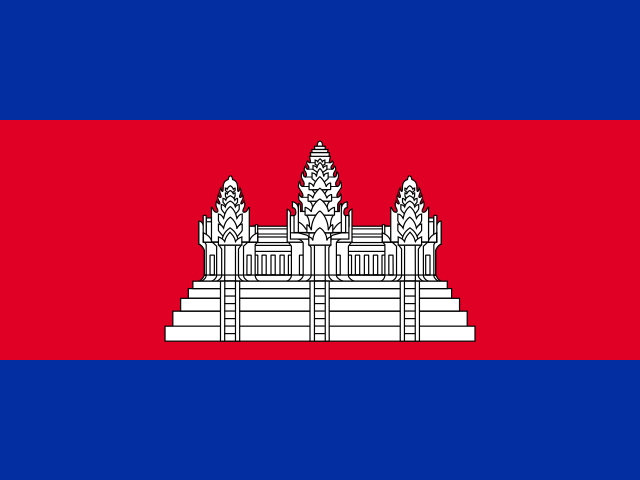 Cambodia
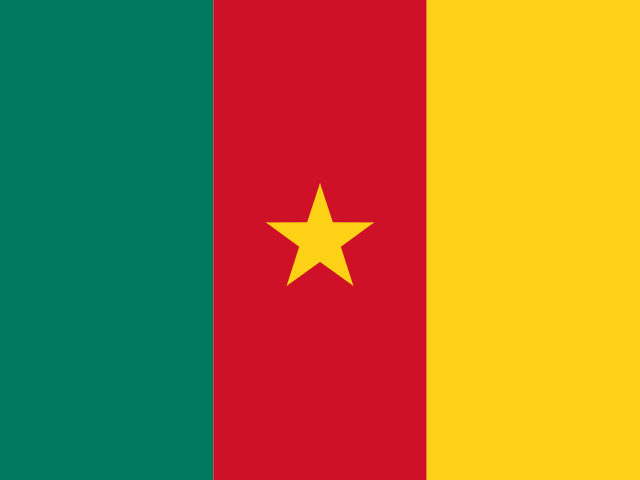 Cameroon
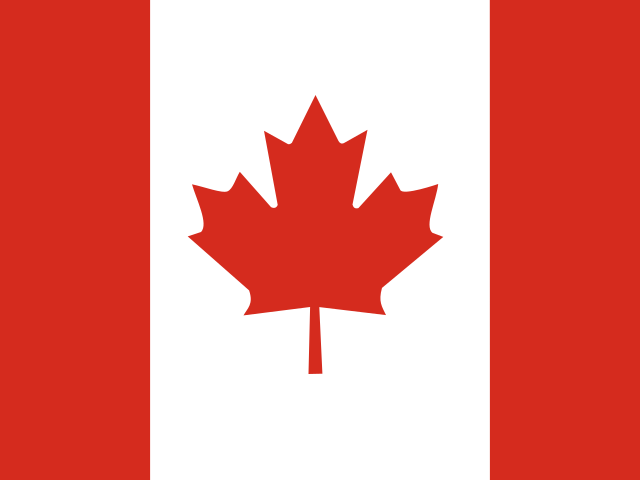 Canada
 China
China
 Colombia
 Cote d'Ivoire
 Dem. Rep. of Congo
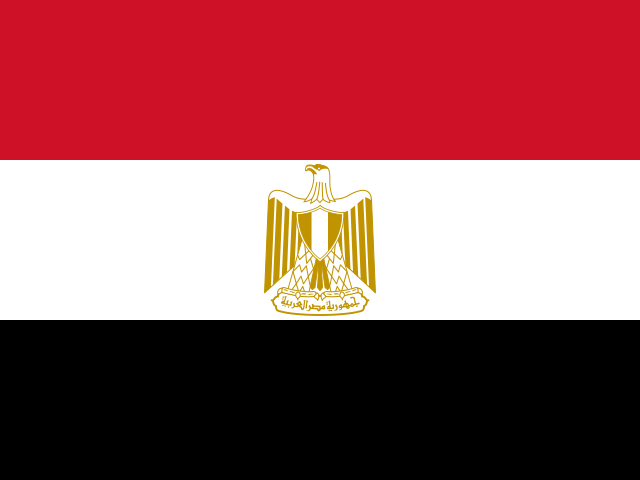 Egypt
Egypt
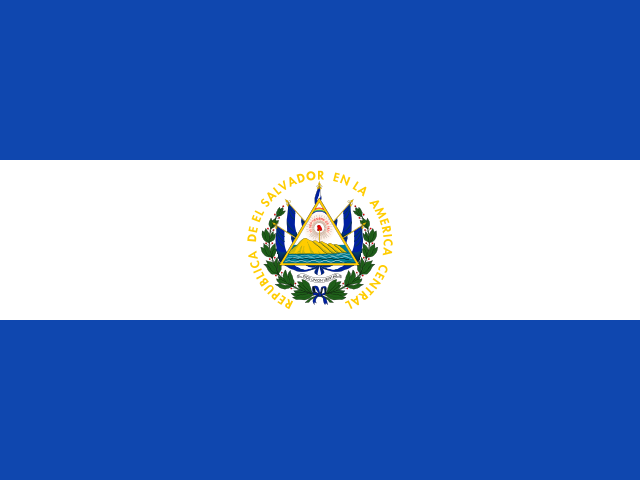 El Salvador
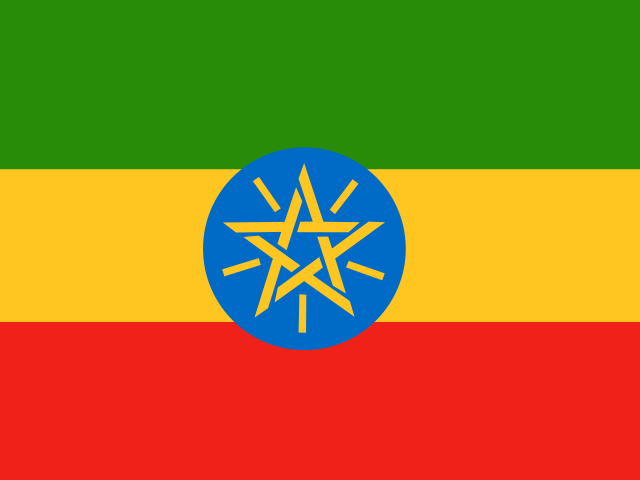 Ethiopia
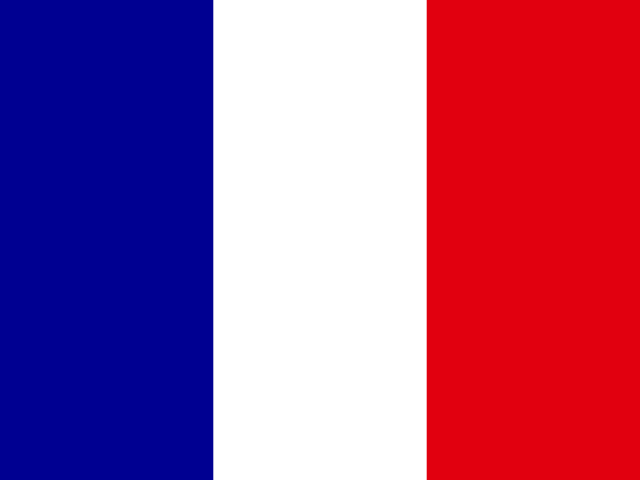 France
 Germany
 Ghana
Ghana
 Guatemala
 India
India
 Indonesia
 Italy
Italy
 Jamaica
 Japan
Japan
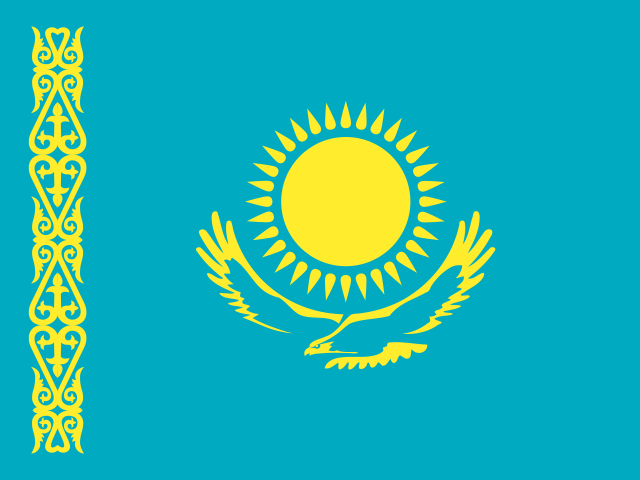 Kazakhstan
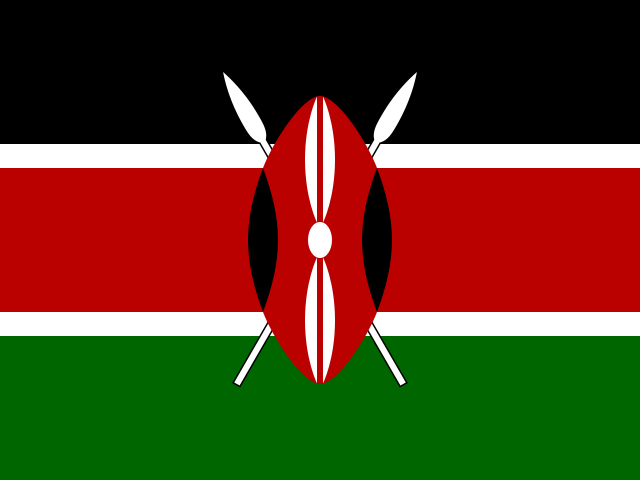 Kenya
Kenya
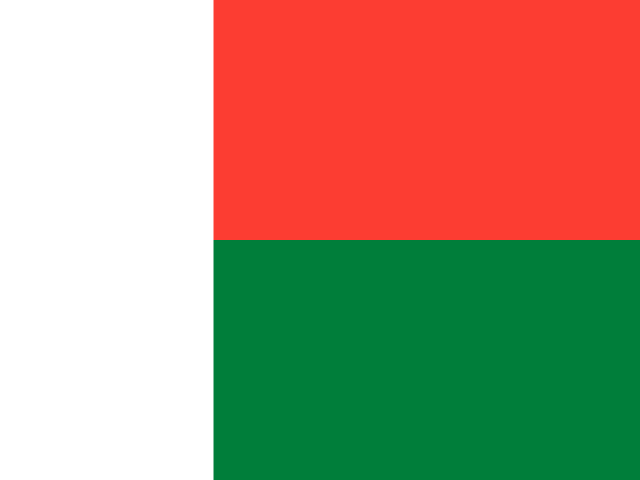 Madagascar
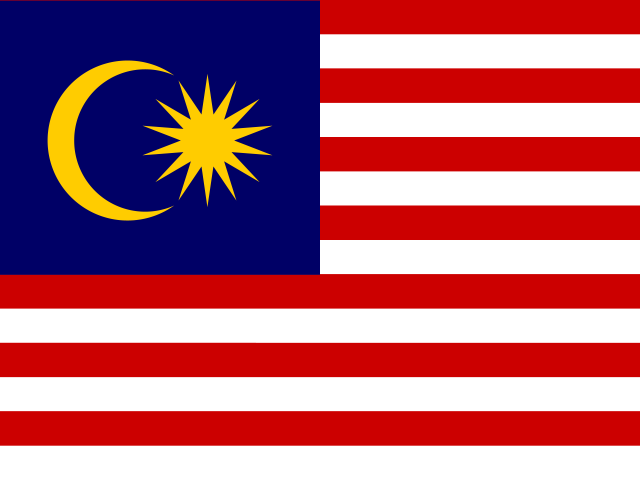 Malaysia
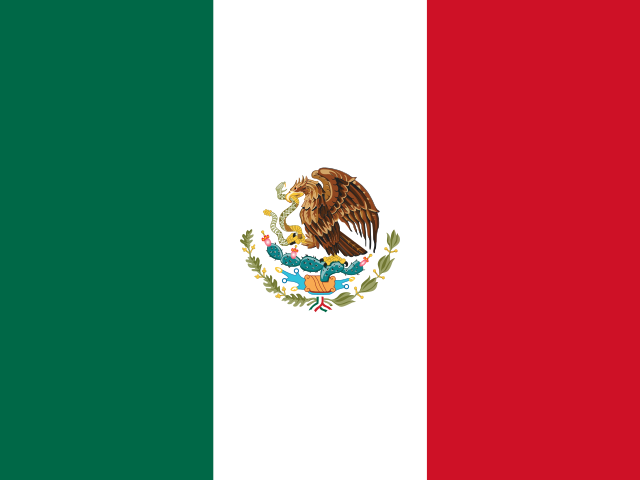 Mexico
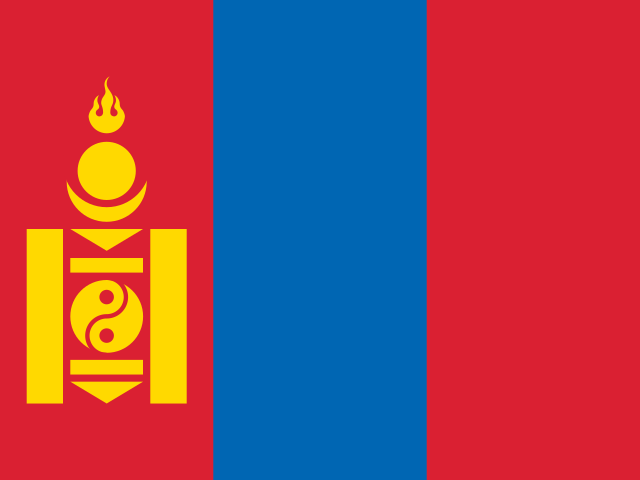 Mongolia
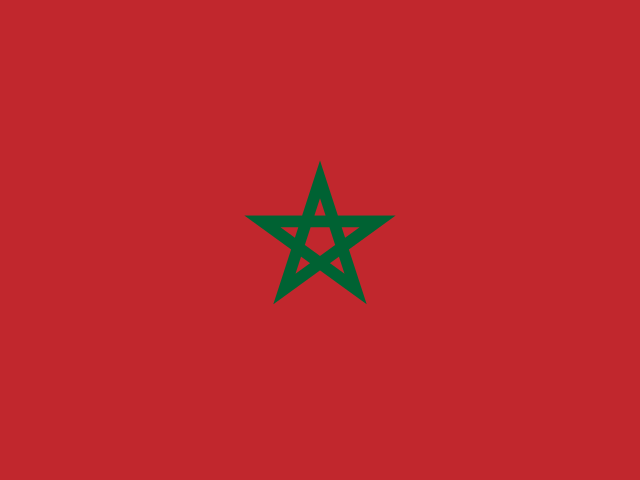 Morocco
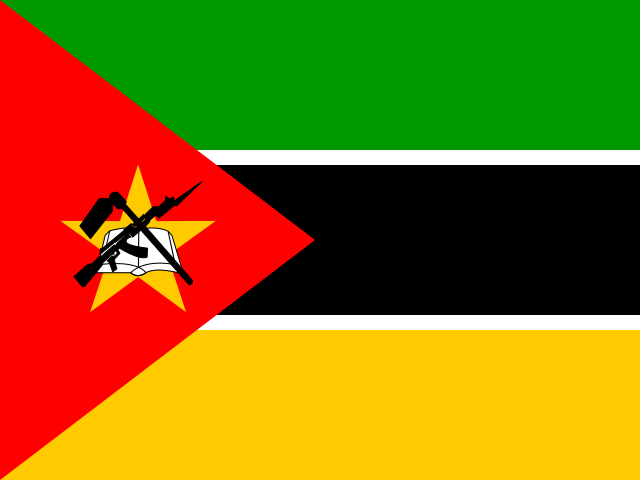 Mozambique
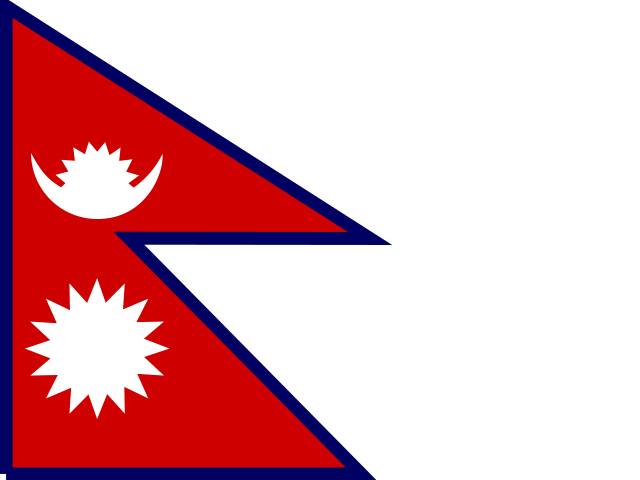 Nepal
Nepal
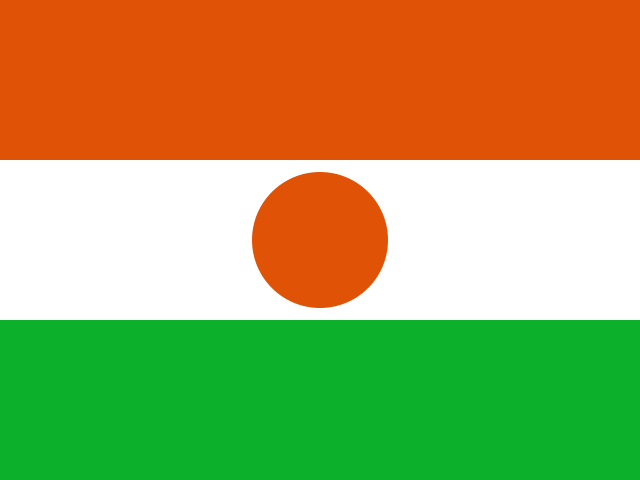 Niger
Niger
 Nigeria
 Pakistan
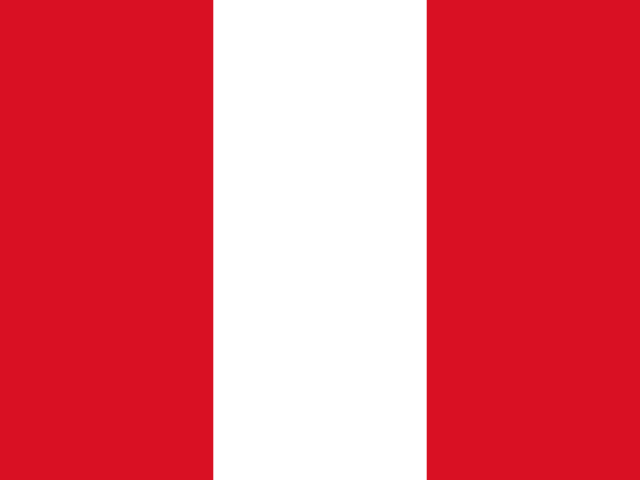 Peru
Peru
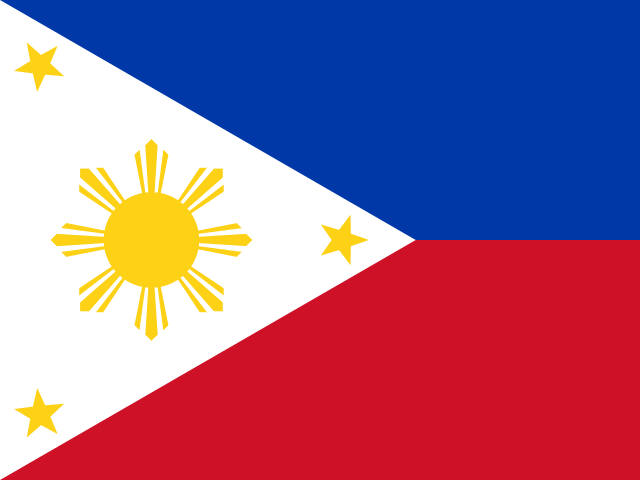 Philippines
 Romania
 Russia
 Rwanda
 Saudi Arabia
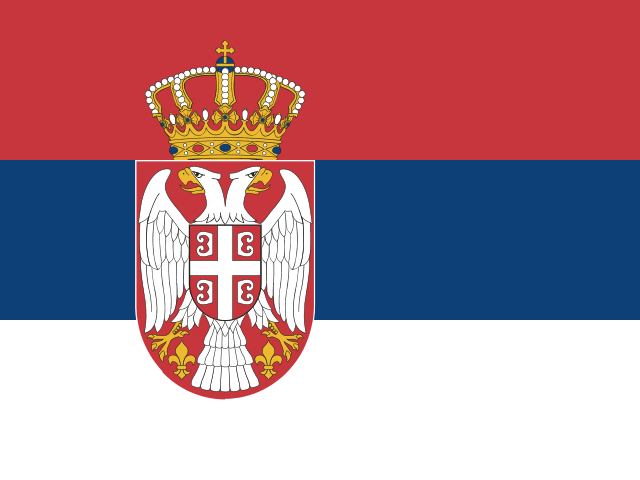 Serbia
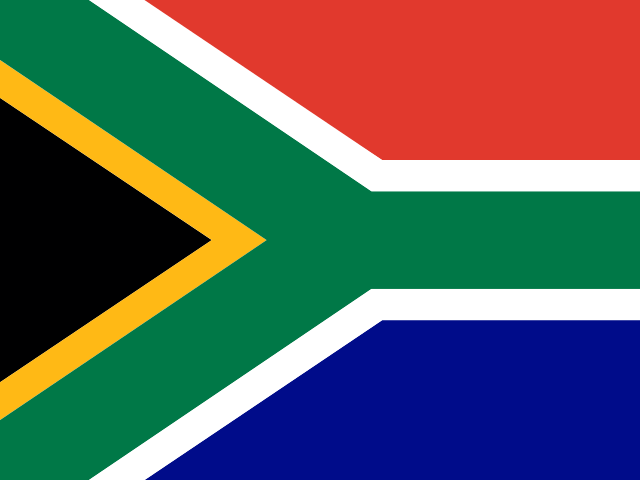 South Africa
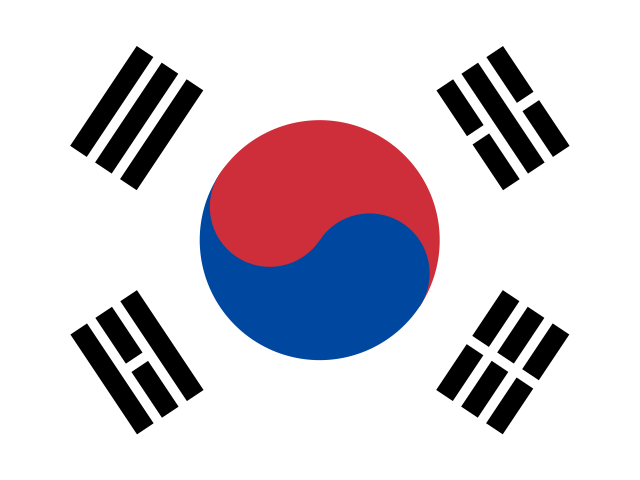 South Korea
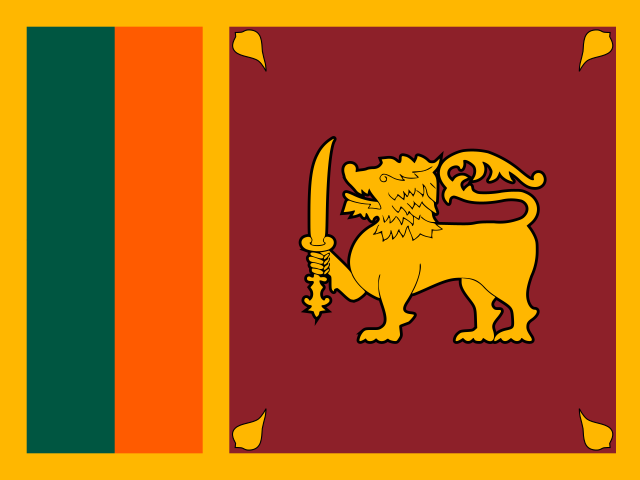 Sri Lanka
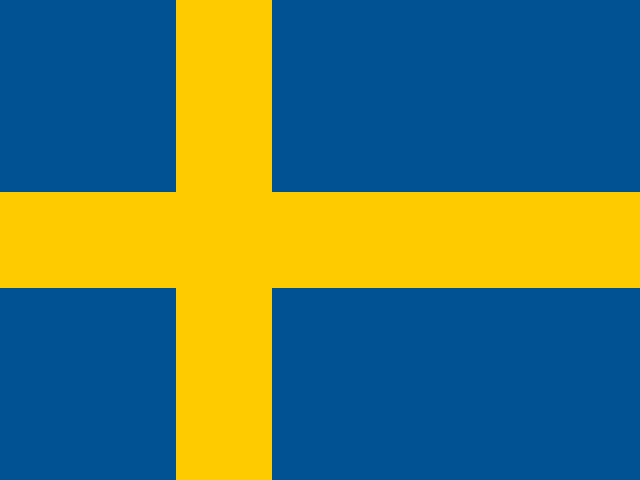 Sweden
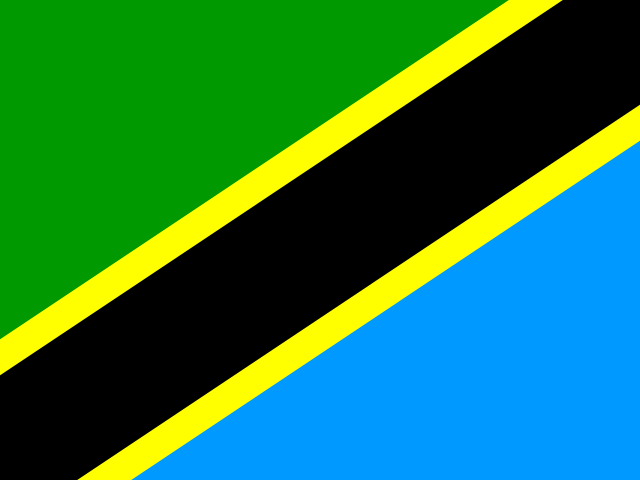 Tanzania
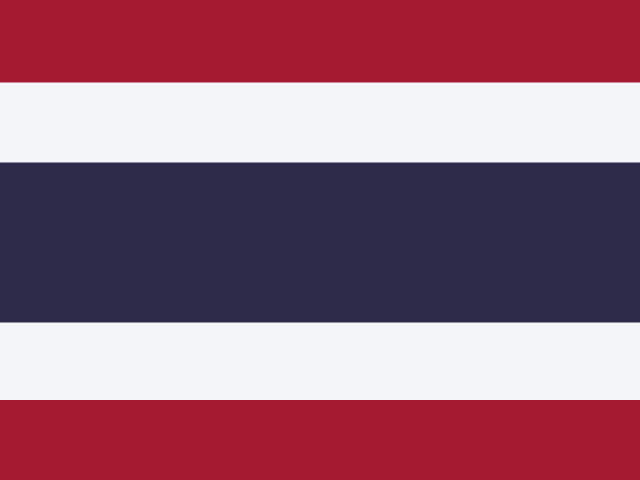 Thailand
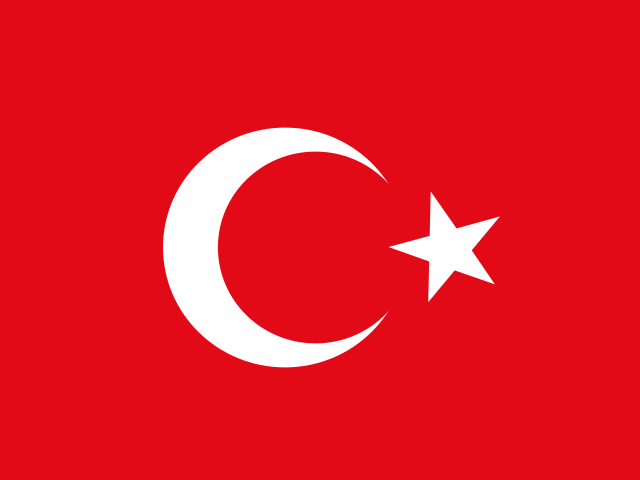 Türkiye
 UAE
UAE
 Uganda
 United Kingdom
 United States
 Uzbekistan
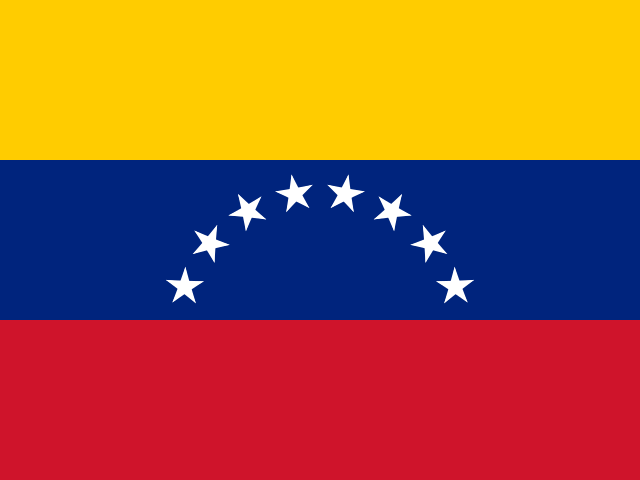 Venezuela
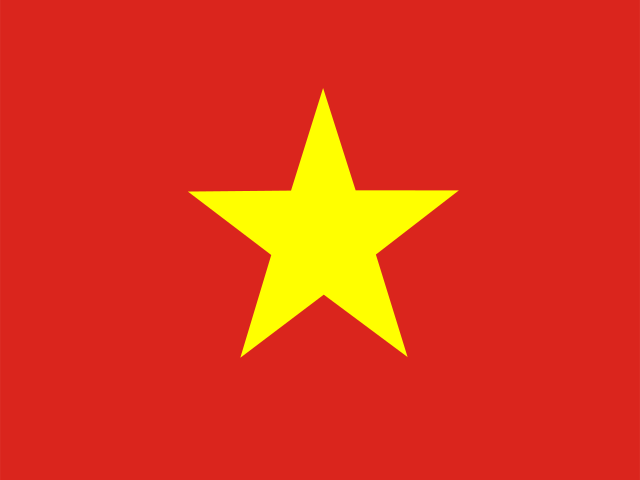 Vietnam