Sensitive content
This site contains sensitive content that includes references to sexual violence.
Country
1st
Overall
1st
Governance and accountability
1st
Prevention
4th
Healing
1st
Justice
1st
Overall
1st
Governance and accountability
1st
Prevention
8th
Healing
1st
Justice
Shared rank — one or more countries have the same score.
Australia’s first-ever Child Maltreatment Study of 2023 showed a high national prevalence of sexual violence against girls (37%) and boys (19%). The study shed light on important changes over time, with a decline in sexual violence perpetrated by adults (12%) and an increase in perpetration by adolescents (19%), among youth ages 16-24. While the prevalence remains high, encouraging declines in sexual violence against children by adults shows the impact of protective policies and programs even as increasing sexual violence by adolescents must be addressed.
Australia’s National Strategy to Prevent and Respond to Child Sexual Abuse (2021–2030) and First Commonwealth Action Plan (2021-2024) serve as a roadmap for change, outlining clear activities, roles and responsibilities, and costs. These plans were developed in consultation with children and youth.
Australia is one of just two countries to have a government-supported National Survivors Council, in this case focused on broader lived experience of domestic, family and sexual violence.
It is one of nine that includes comprehensive life-skills sexual education in their national curricula, including the risks of online abuse and exploitation and child abuse identification, disclosure, and help-seeking.
Fewer than one-third of countries, including Argentina, Kenya, Nepal, South Africa, Venezuela, banned corporal punishment in all settings, while Australia and the United Kingdom have not.
Despite this progress, gaps persist. One in three girls and one in five boys experiences sexual violence in childhood in Australia. There is a need to double down on progress made and to address growing risks.
While the Index tracks whether laws and policies are in place, it does not capture the quality or reach of their implementation.
Brave Movement advocates in Australia have also raised concerns about gaps between policy and practice, particularly in cases of intrafamilial sexual violence. While legal frameworks are in place, prevention, healing, and justice are not consistently implemented across the country. In October 2026, survivor advocates are preparing to launch a national walk to bring visibility to this issue and are calling for a Royal Commission — an important opportunity to strengthen accountability and ensure survivor experiences inform future action.
Leadership brings responsibility. Closing these gaps will require action like:

Share your experience, research, and success stories using the Index in your work!

www.bravemovement.org/campaigns/third-richest-nation
A world without childhood violence would be $7 trillion richer. This nation isn’t real. Its wealth could be. Brave Movement's survivor-led advocacy campaign at the G20 in 2025 pressured decision makers to invest in prevention, healing and justice to create stronger, happier nations.
www.bravemovement.org/g7
By evaluating each G7 nation’s progress on vital policy measures we're drawing global attention to the global, silent pandemic of sexual violence against children. This is a crisis that undermines the G7's commitment to building secure, prosperous, and equitable societies. Kids need bold leadership and decisive action now to be safe and thrive.
www.togetherforgirls.org/en/press/a-record-breaking-event-now-governments-must-deliver
We broke the GUINNESS WORLD RECORDS™ for the most countries represented at a childhood violence summit! With 120 governments attending, this first ever Global Ministerial Conference on Ending Violence Against Children was the largest organized event to address this issue on a global scale. Most importantly, as a result, we also broke the world’s record of inaction against childhood sexual violence.
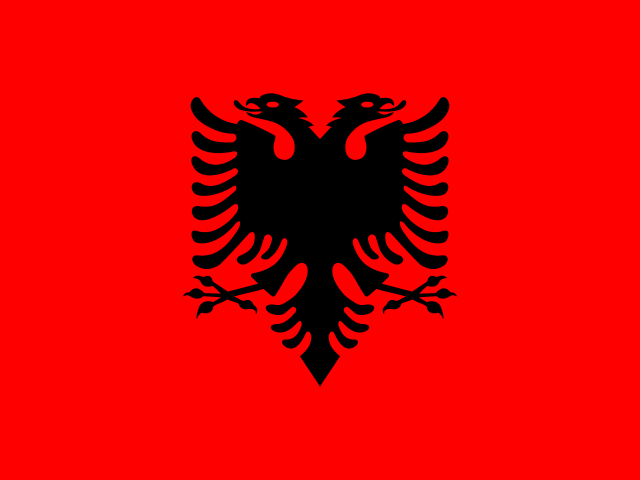 Albania
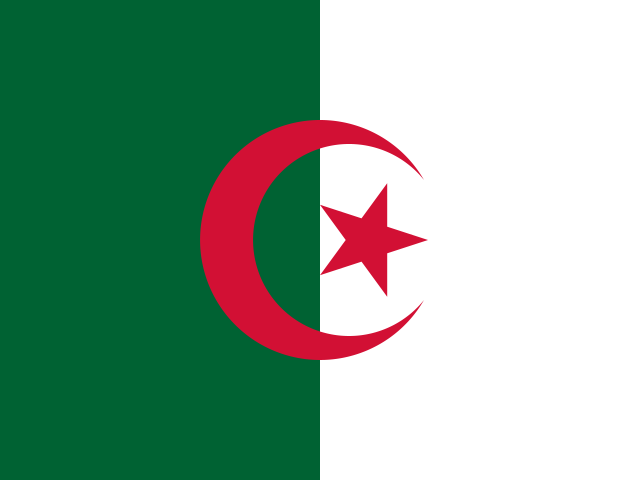 Algeria
 Angola
 Argentina
 Australia
 Bangladesh
 Brazil
 Burkina Faso
 Cambodia
 Cameroon
 Canada
 China
China
 Colombia
 Cote d'Ivoire
 Dem. Rep. of Congo
 Egypt
Egypt
 El Salvador
 Ethiopia
 France
 Germany
 Ghana
Ghana
 Guatemala
 India
India
 Indonesia
 Italy
Italy
 Jamaica
 Japan
Japan
 Kazakhstan
 Kenya
Kenya
 Madagascar
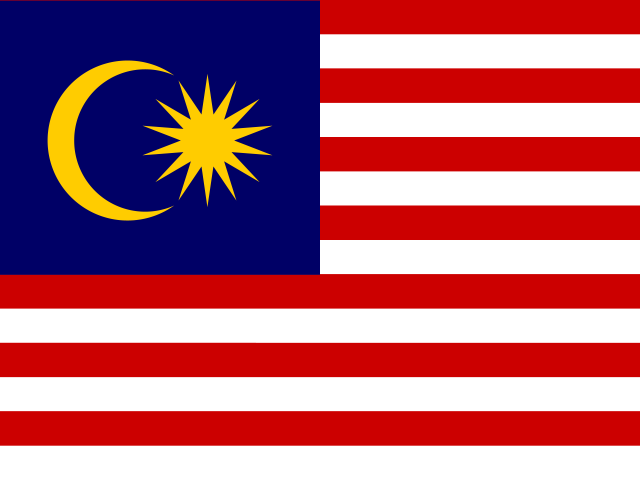 Malaysia
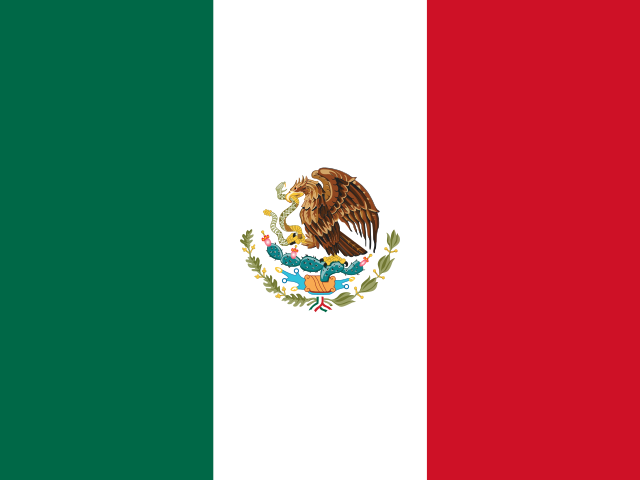 Mexico
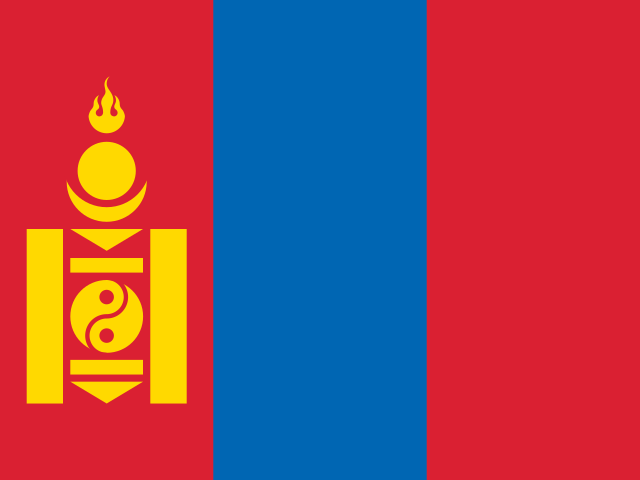 Mongolia
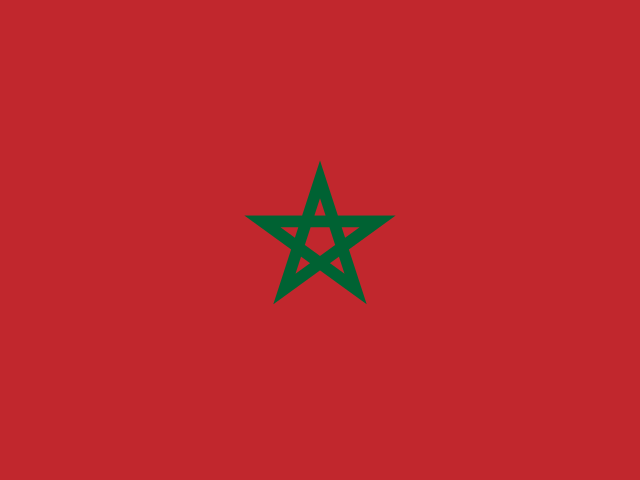 Morocco
 Mozambique
 Nepal
Nepal
 Niger
Niger
 Nigeria
 Pakistan
 Peru
Peru
 Philippines
 Romania
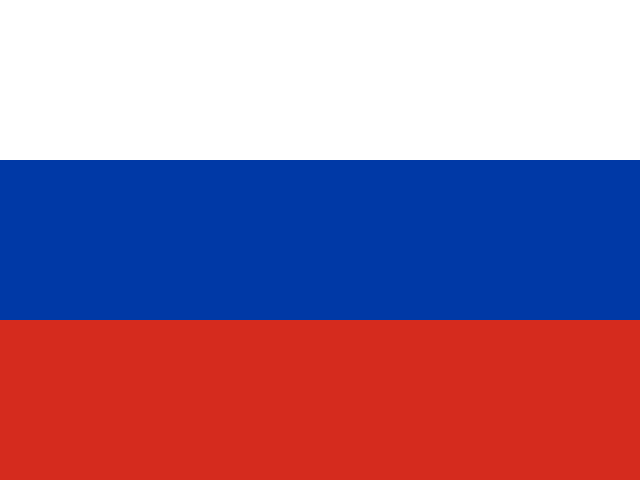 Russia
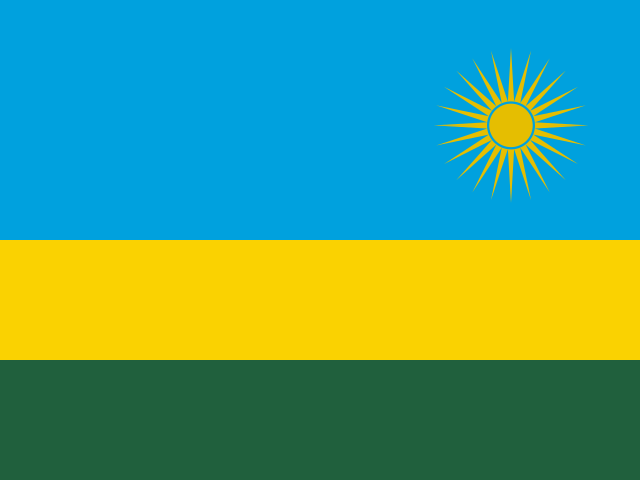 Rwanda
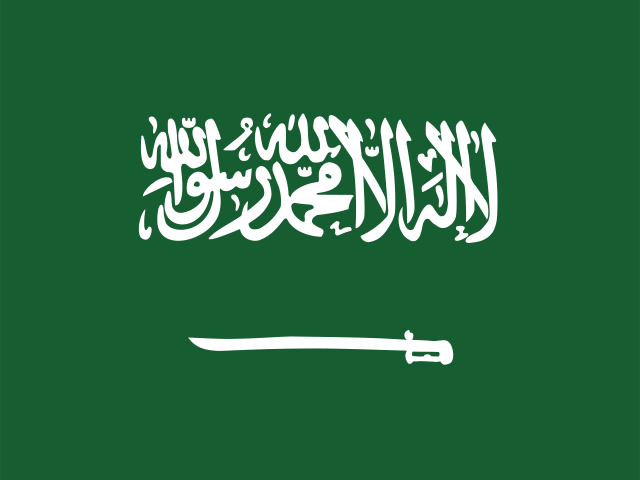 Saudi Arabia
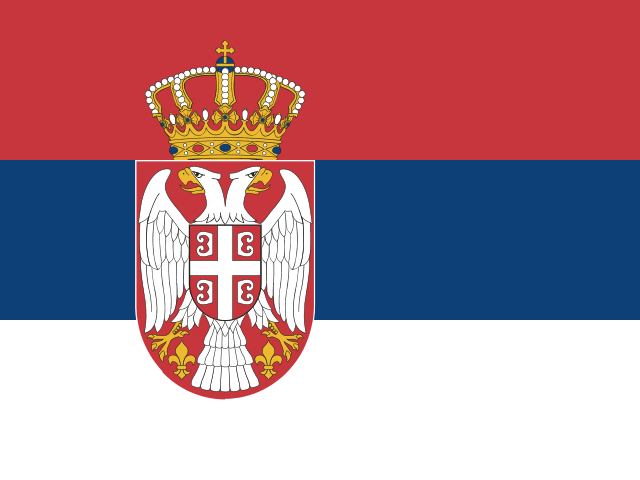 Serbia
 South Africa
 South Korea
 Sri Lanka
 Sweden
 Tanzania
 Thailand
 Türkiye
 UAE
UAE
 Uganda
 United Kingdom
 United States
 Uzbekistan
 Venezuela
 Vietnam